

ACL Surgery vs. Non-Surgical Rehab – Which Is Right for You?
A clear comparison to help you choose between ACL reconstruction and a supervised rehabilitation pathway.
Deciding between ACL reconstruction (surgery) and non-surgical rehabilitation is a common dilemma. The best choice depends on your goals, symptoms, activity level, and the exact nature of the injury. This article breaks down the pros, cons, timelines and real-world factors to help you and your clinician make an informed decision.
Key factors to consider
- Activity level & goals: Competitive pivoting athletes often favour reconstruction to restore stability for sport.
- Instability: Recurrent giving-way episodes despite rehab suggest surgery may be needed.
- Type of tear: Complete ruptures with associated meniscal/ligament damage are more likely to need surgery.
- Age & lifestyle: Older, lower-demand patients often do well with non-surgical rehab.
- Patient preference & tolerance for downtime: Surgery involves an operation and longer early recovery but may allow return to high-level sport.
ACL Surgery — Pros & Cons
Pros
- High rates of return to pre-injury sport for many athletes after structured rehab.
- Restores mechanical stability in knees with large structural damage or recurrent instability.
- Often combined with meniscal repair to address associated injuries in the same procedure.
Cons
- Requires an operation, anaesthesia, and carries surgical risks (infection, stiffness).
- Higher immediate cost and longer early recovery period (first 6–12 weeks).
- Full return to sport commonly takes 6–12 months depending on graft choice and rehab progress.
Non-Surgical Rehab — Pros & Cons
Pros
- Avoids surgical risks and scarring; lower cost overall.
- Many people regain sufficient stability, strength & function through targeted physiotherapy and neuromuscular training.
- Faster early functional recovery in activities of daily living.
Cons
- Some patients retain subtle instability that limits return to pivoting sports.
- Ongoing instability can increase risk to menisci and accelerate degenerative changes if not well controlled.
- Requires high adherence to progressive rehab and activity modification.
Typical decision pathways
1) Immediate surgery is chosen for complex injuries (e.g., multi-ligament, large displaced meniscal tears) or when rapid
return to elite sport is required.
2) Trial of rehab (6–12 weeks) is often recommended for many patients — this early rehab reduces swelling, restores range,
and tests functional stability. If instability persists, surgery can be considered later with improved pre-op conditioning.
What to expect from each pathway — timeline overview
- Non-surgical rehab: Initial 6–12 weeks focused on swelling control, ROM, strengthening; progressive sport-specific training weeks 12–24; full return if successful often 3–6 months depending on demands.
- Surgery + rehab: Early 0–6 weeks for wound healing and guarded movement; 3–6 months for progressive strength and controlled sport drills; 6–9+ months for return to pivoting sports depending on assessments.
How YOS Health supports decision-making
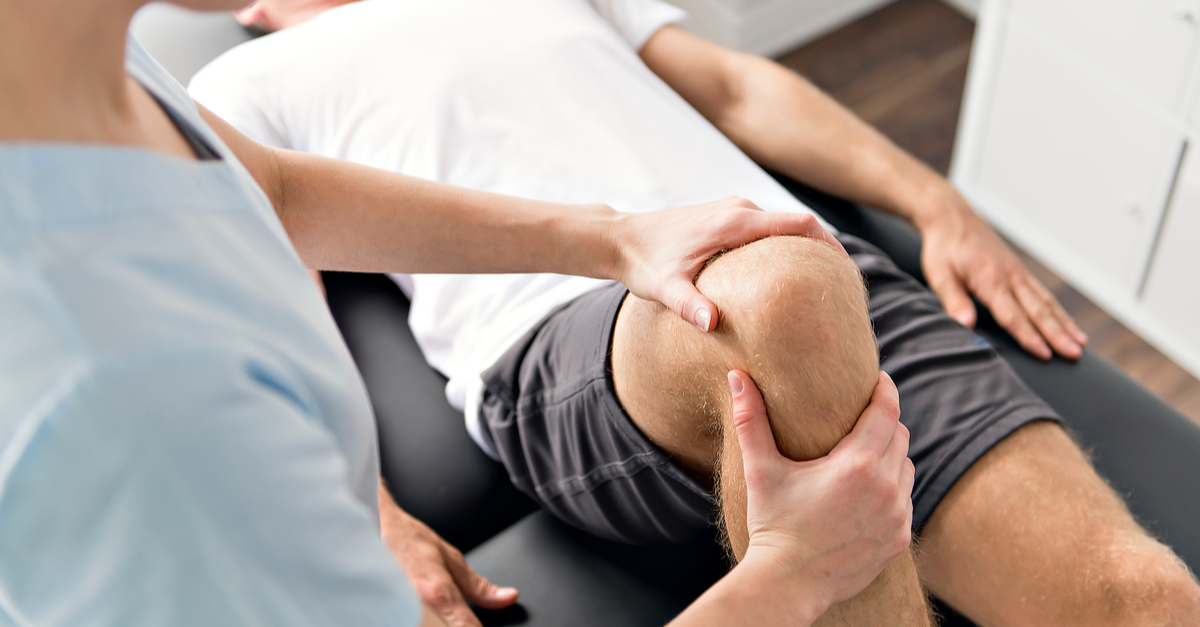
At YOS we provide a multidisciplinary assessment: detailed functional testing, objective strength & hop tests, neuromuscular screening, and rapid referral to orthopaedics when structural surgery may be indicated. Our goal is to start early rehab — whether it leads to successful non-surgical outcomes or prepares you optimally for reconstruction if needed.
Not sure which path to choose?
Book an assessment with our specialists — we’ll help you evaluate function, goals and create a personalised plan.
Book AppointmentFrequently asked questions
Can I try rehab first and decide on surgery later?
Yes — many patients trial supervised rehab for 6–12 weeks. If instability persists, surgery remains a valid option and pre-op conditioning improves outcomes.
Does surgery guarantee return to elite sport?
No treatment guarantees outcomes — but surgery plus high-quality rehab gives many athletes the best chance of returning to pivoting sports at previous levels.
Final takeaways
- The right choice depends on your activity goals, symptoms, and the exact knee injury pattern.
- Early specialist assessment and a structured rehab trial are valuable steps that preserve options.
- YOS offers objective testing, evidence-based rehab, and collaboration with orthopaedic surgeons when surgery is appropriate.