ACL Injury: Early Symptoms You Should Never Ignore
Early recognition of ACL injury matters — swelling, a popping sensation and instability are common. Early physiotherapy assessment speeds diagnosis, imaging decisions and recovery planning.
 Call
Book Appointment
Call
Book Appointment
Evidence-informed physiotherapy articles — ACL, knee pain, meniscus, runner’s knee, rehab programs and more.
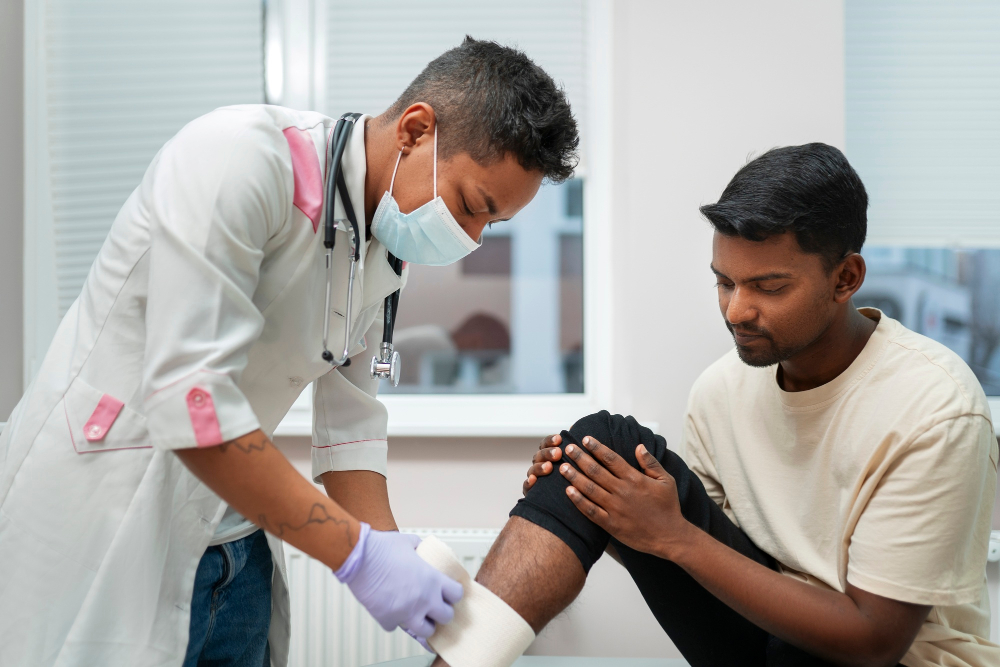
Early recognition of ACL injury matters — swelling, a popping sensation and instability are common. Early physiotherapy assessment speeds diagnosis, imaging decisions and recovery planning.
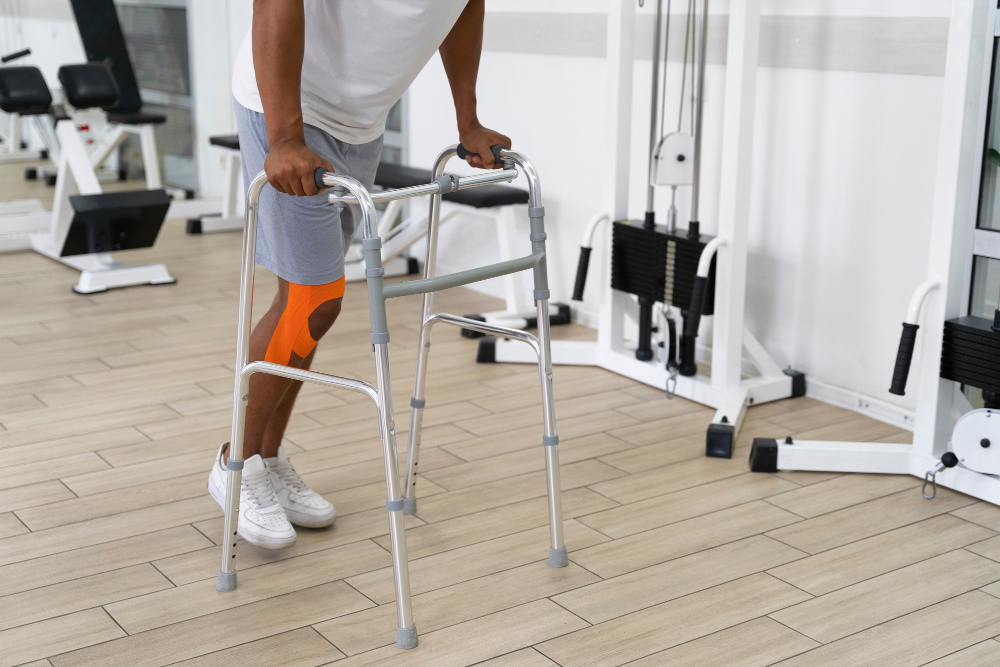
ACL recovery is criterion-based not calendar-based. Learn the rehab phases, objective strength and hop tests, and realistic return-to-sport milestones clinicians use to clear athletes safely.
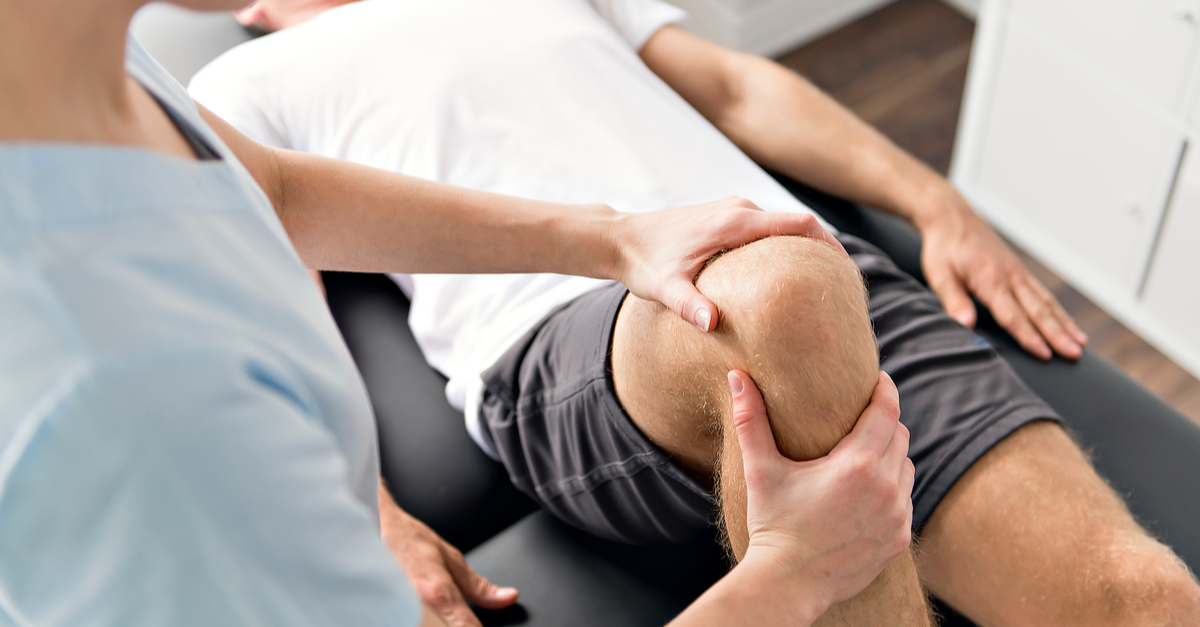
An evidence-focused comparison of reconstruction vs conservative rehab — who benefits from surgery, when non-surgical pathways are appropriate and how physio-led rehab can succeed.

A progressive, beginner-friendly exercise selection to rebuild strength, balance and movement quality after ACL injury — includes regressions and safety notes for each exercise.
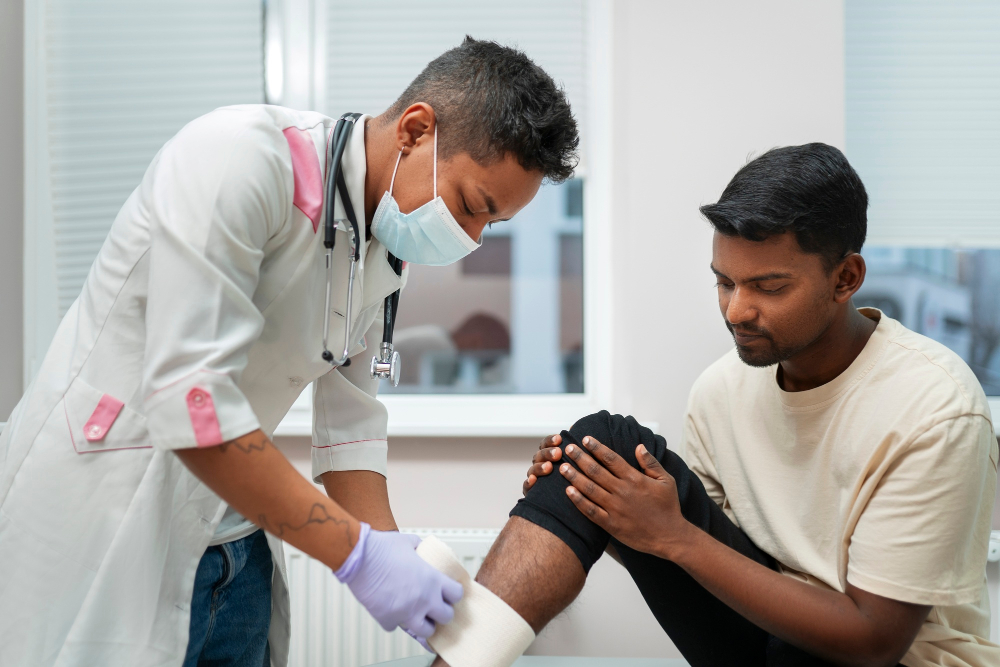
Explains conservative management pathways where targeted exercise, movement retraining and education resolve pain and restore function — and when surgical options remain necessary.
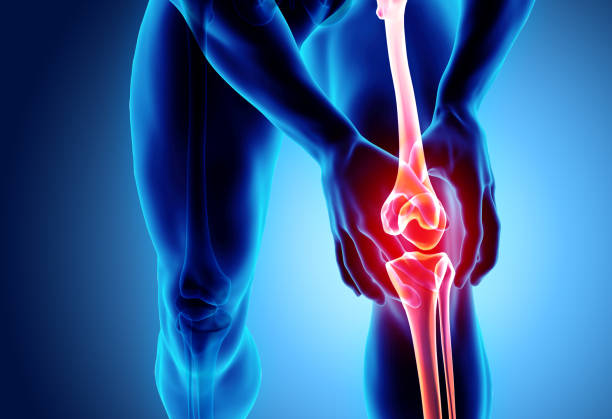
Most knee clicks are benign (gas/tendon glides). Painful clicking, recurrent swelling, locking or instability are red flags — this post explains the likely causes and next steps.

Covers patellofemoral pain, tendinopathy, early osteoarthritis and meniscal causes — plus practical physio fixes: strengthening, taping and sensible load modification.

Typical symptoms of meniscal tears include painful twisting injuries, joint-line tenderness and occasional locking; this article outlines conservative vs surgical approaches.

Evidence-based approaches for PFPS: progressive strengthening, gait retraining, taping, footwear adjustments and load management — a practical plan for runners.
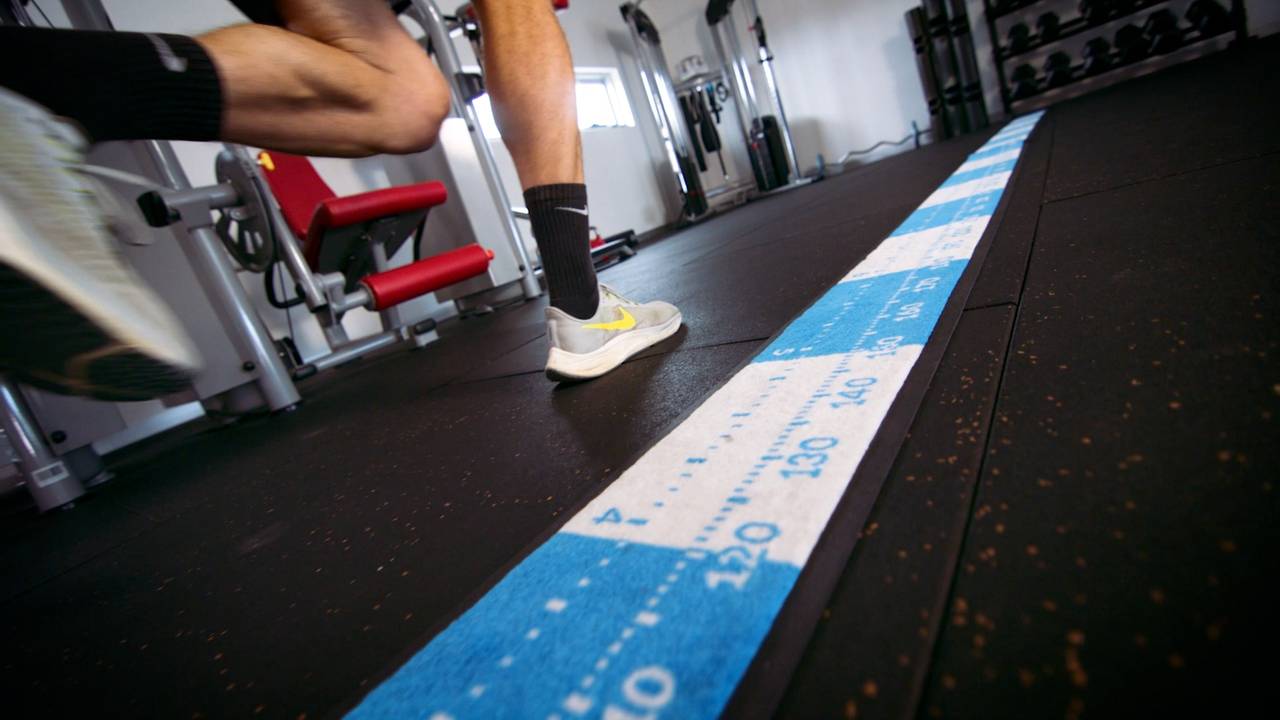
Why phased, criterion-based ACL rehabilitation improves strength symmetry, reduces re-injury risk and supports a safer, evidence-led return to sport.
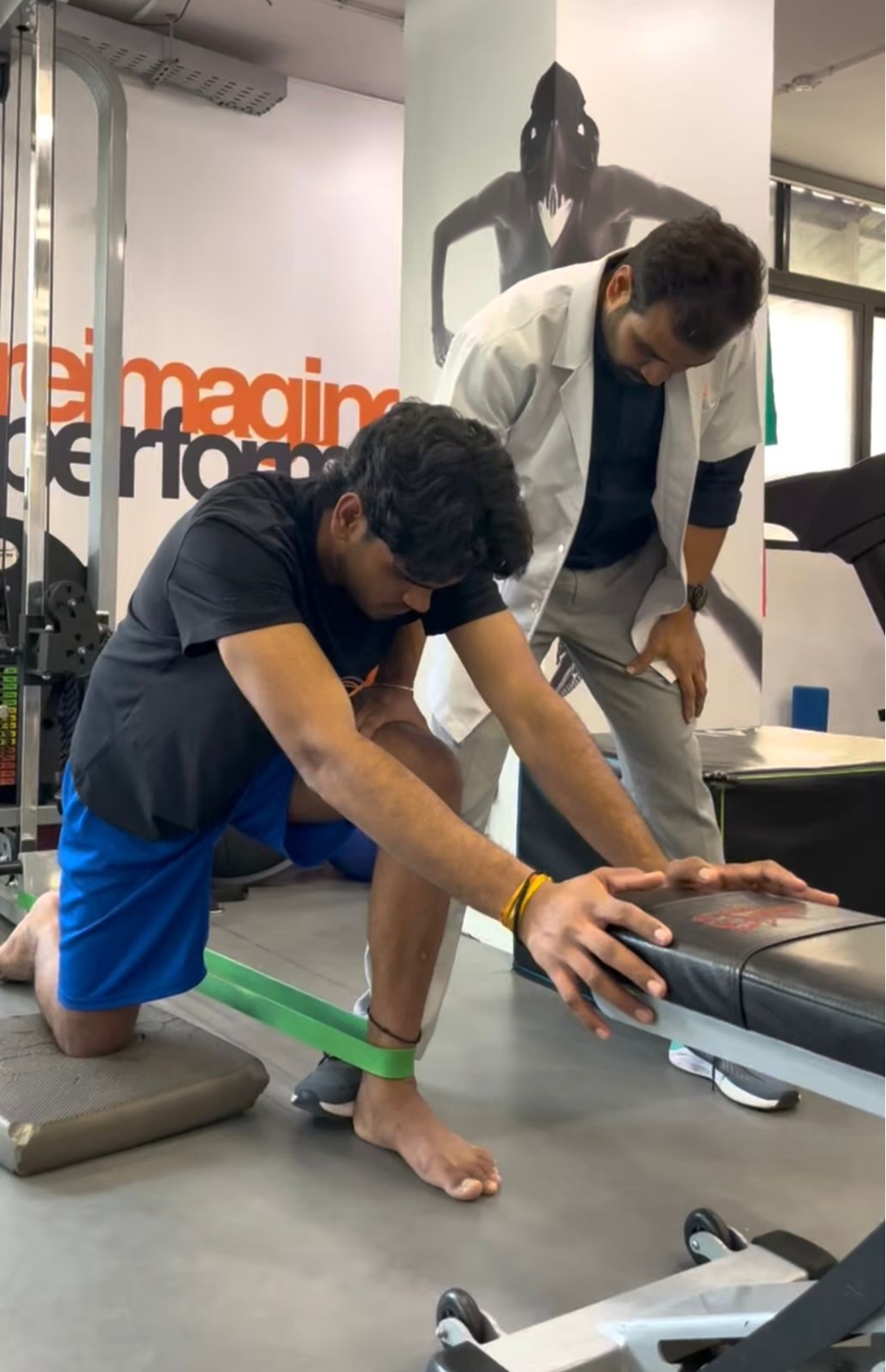
After surgery, one of the most important decisions you will make is where to complete your rehabilitation. Should you opt for physiotherapy at home, or is clinic-based care the better choice?
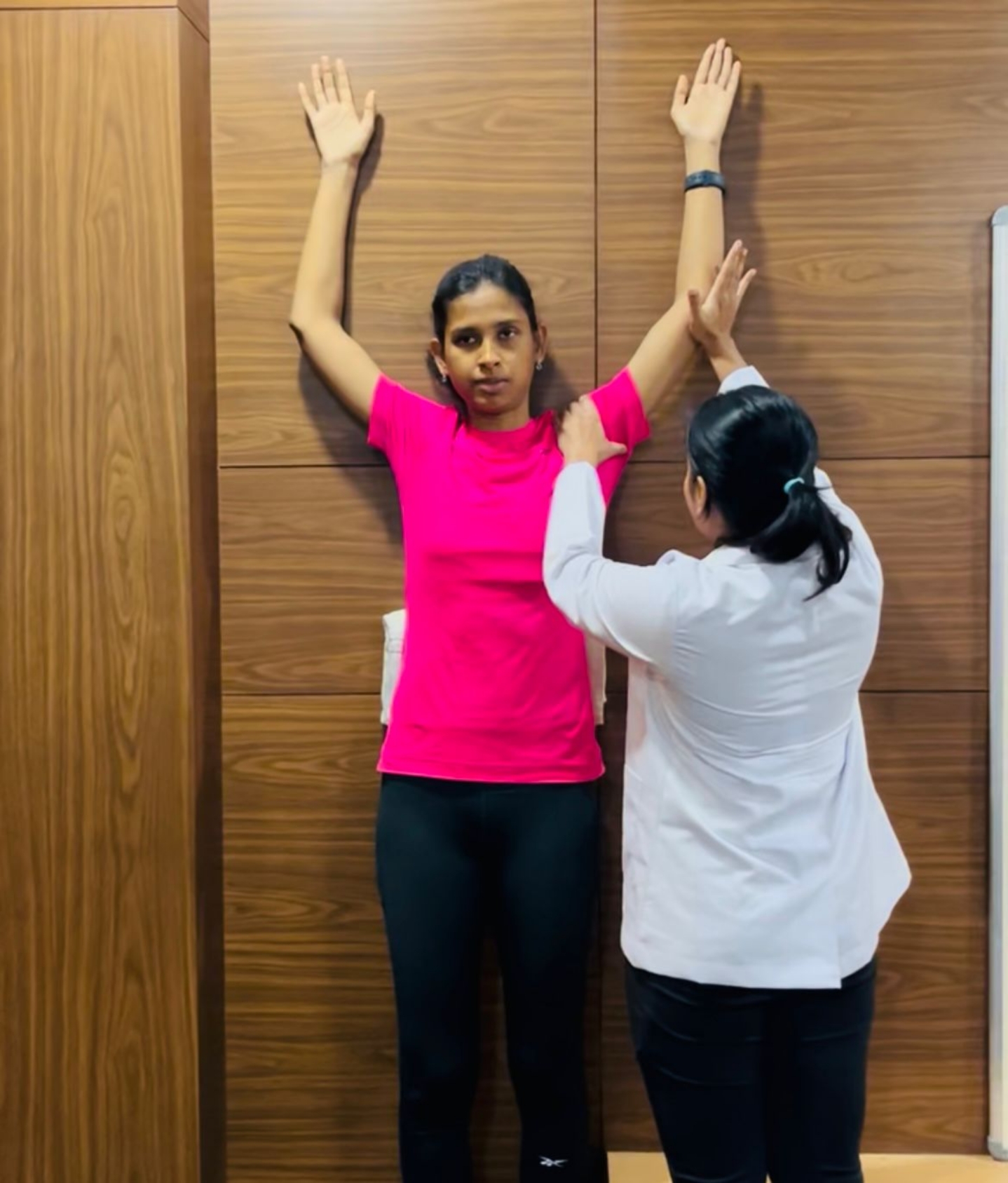
Surgery addresses structural problems — but long-term function depends heavily on the quality of rehabilitation that follows.
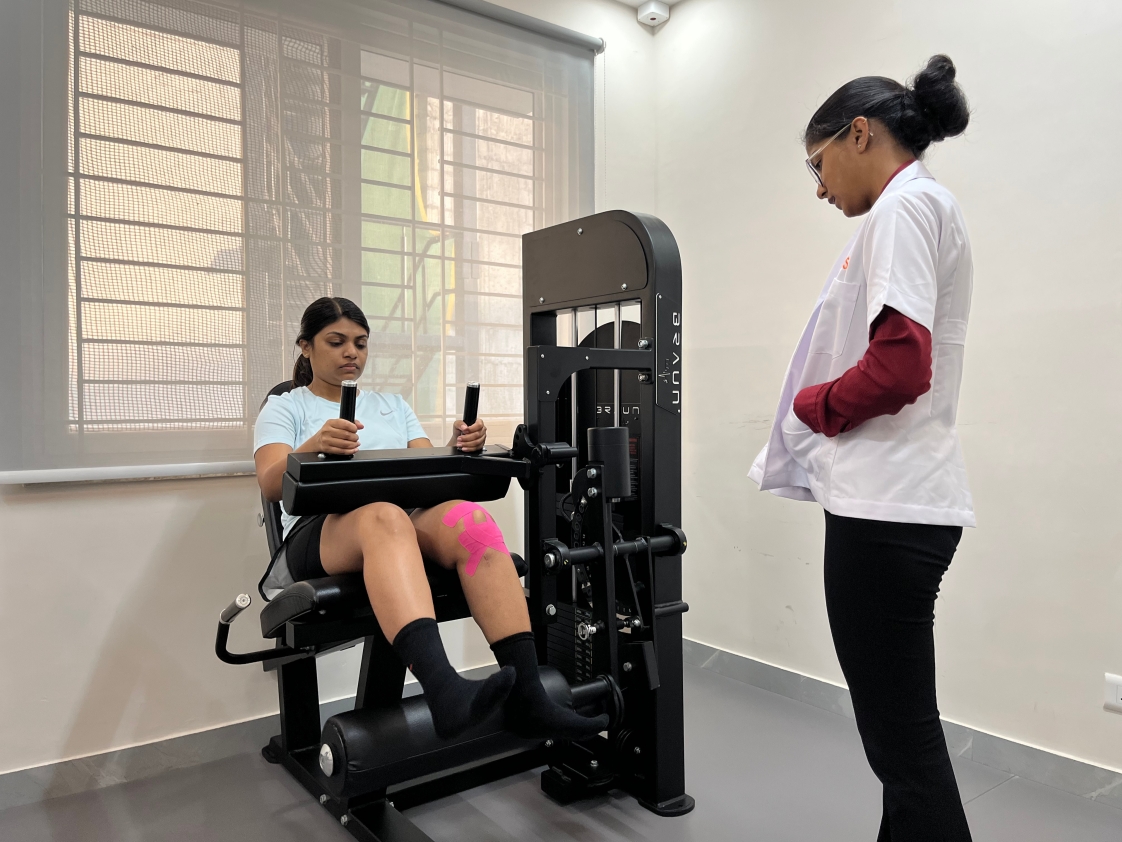
Surgery can successfully address structural problems — but without proper rehabilitation, the body may struggle to regain normal function.
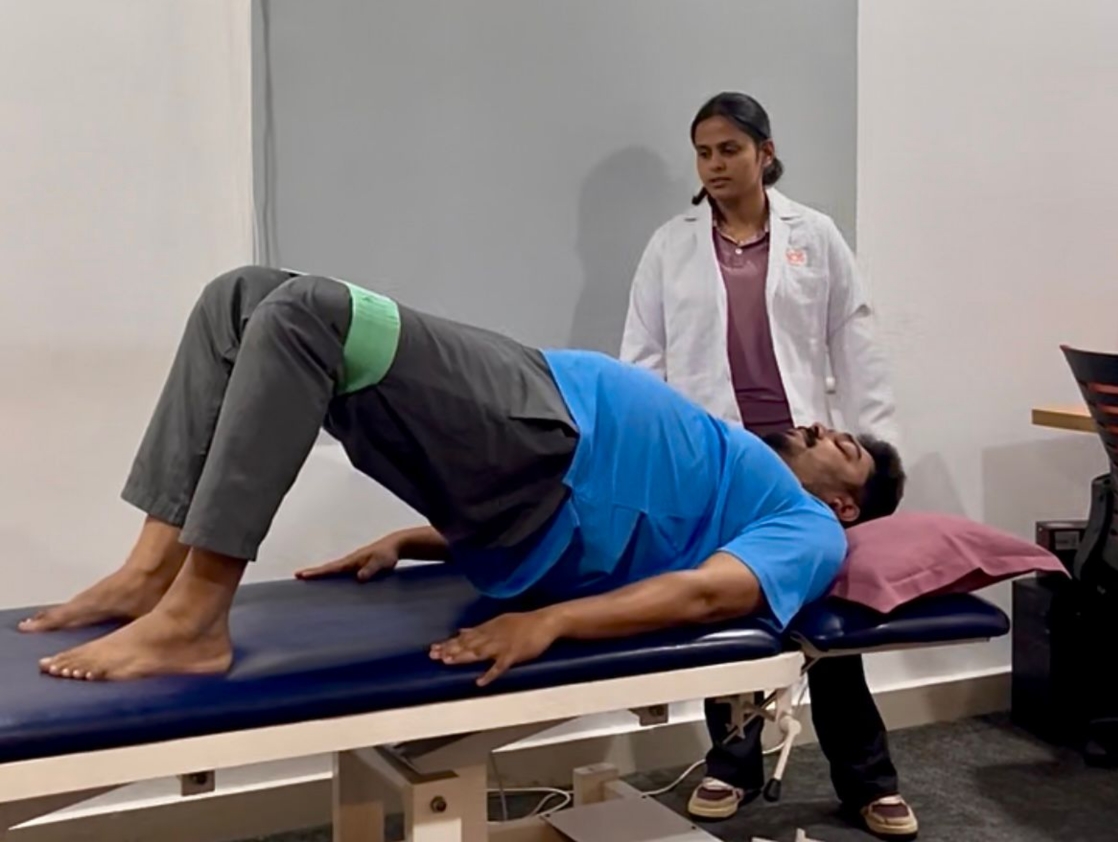
Exercise is one of the most powerful tools in post-surgical rehabilitation. When introduced at the right time and progressed safely, it accelerates healing, restores strength, and helps you return to everyday activities with confidence.
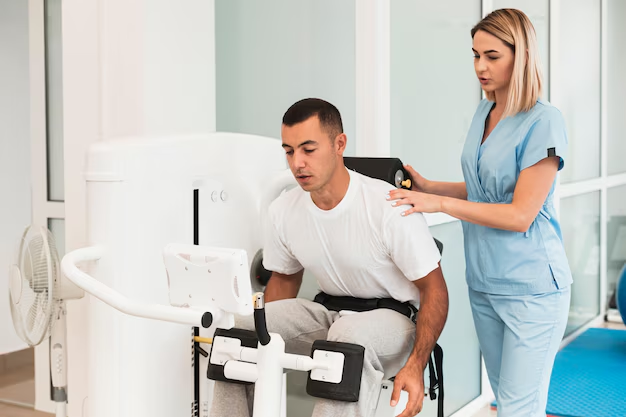
Surgery is only the beginning of recovery. Structured rehabilitation plays a critical role in restoring mobility, rebuilding strength, and helping you return safely to everyday life.
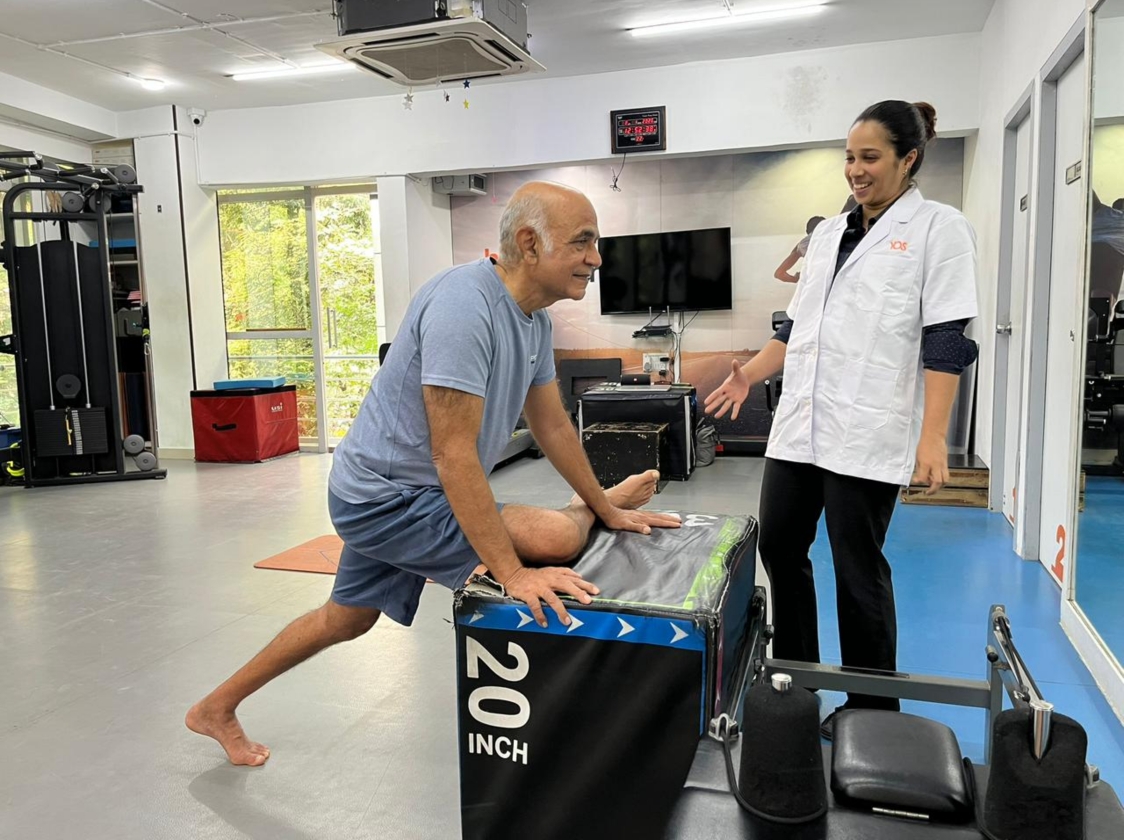
One of the most common questions patients ask after surgery is: “When can I safely begin physiotherapy?” The answer is often — sooner than you might expect.
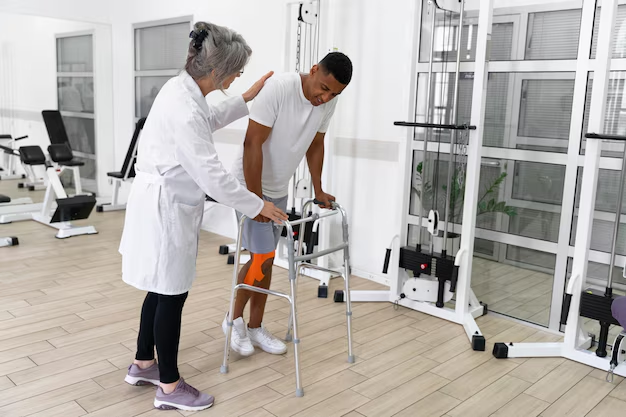
Surgery is often the first step toward recovery — but what happens afterward plays an equally important role in determining long-term outcomes.
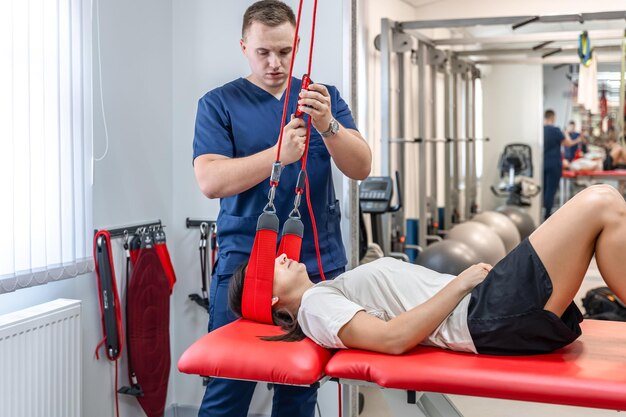
Injuries are an unfortunate reality for many athletes — but the right rehabilitation strategy can significantly shorten recovery time and support a stronger return to sport.
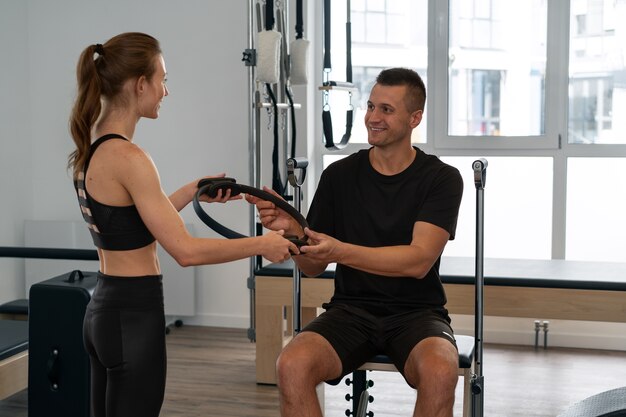
Mobility is fundamental to independence, performance, and overall quality of life. When stiffness, pain, or injury limits movement, targeted physiotherapy can help restore function safely and effectively.
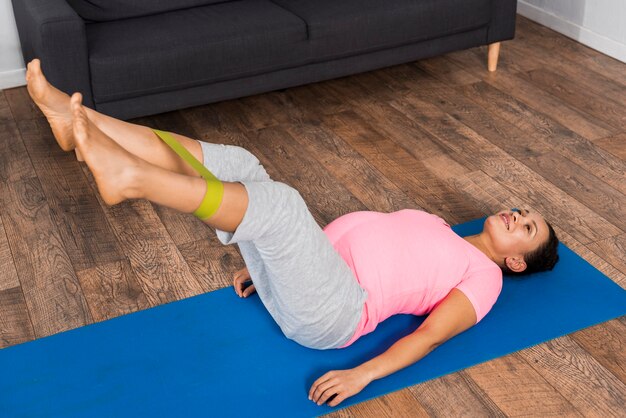
Pelvic floor health plays a vital role in bladder control, core stability, posture, and overall wellbeing — yet it is often overlooked until symptoms appear.

Sharp back pain, tingling, or pain travelling down your leg could indicate a slipped disc — a common but highly treatable spinal condition.

Shoulder pain that limits daily activities could indicate a rotator cuff injury — one of the most common causes of persistent shoulder dysfunction.
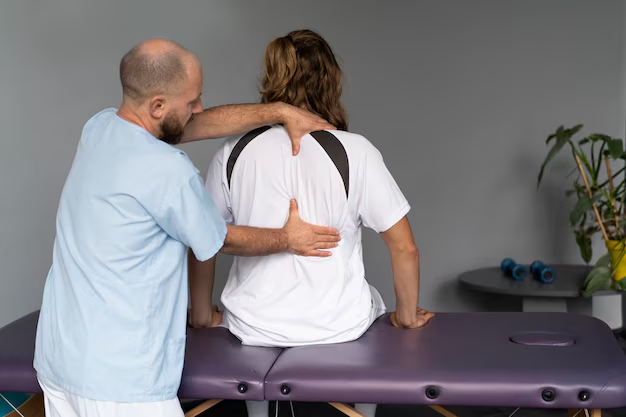
Both physiotherapy and chiropractic care focus on improving movement and reducing pain — but their methods, philosophy, and treatment goals differ significantly.
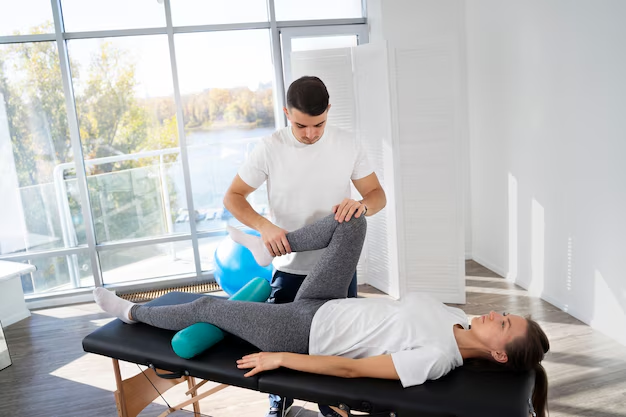
Starting physiotherapy for the first time can feel unfamiliar — but knowing what to expect helps you feel confident and prepared.

Anterior cruciate ligament (ACL) reconstruction is a major step toward restoring knee stability — but returning to sport requires far more than surgical success alone.
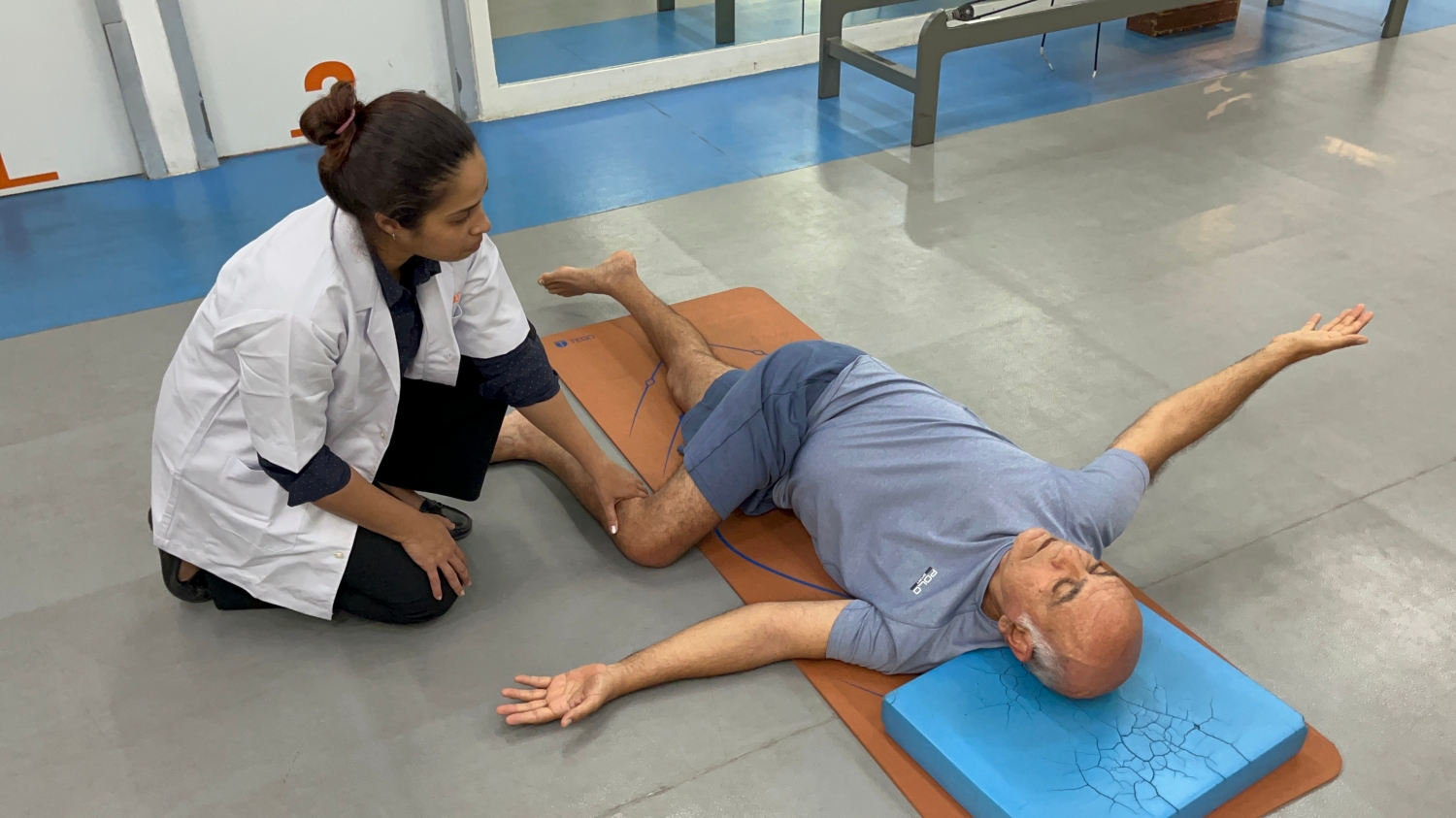
Living with pain can affect every aspect of your life — from daily activities to sleep and productivity. The good news is that modern pain management treatments can help you recover effectively without relying solely on medication.
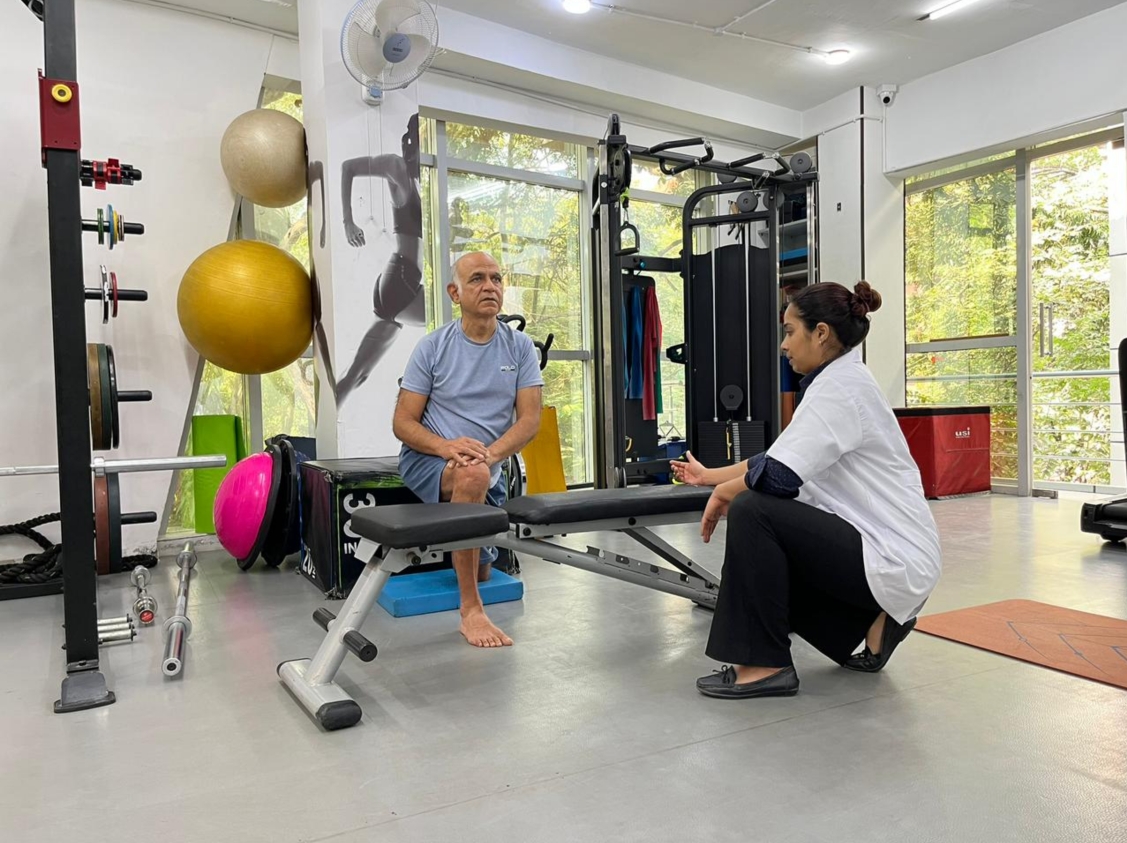
Chronic pain can significantly affect your quality of life — from limiting movement to disrupting sleep and productivity. When seeking relief, many people rely on painkillers, while others explore physiotherapy for pain relief. But which approach actually works better?
Chronic pain can persist for months or even years, affecting your ability to work, move, and enjoy daily life. While temporary solutions like painkillers may offer quick relief, they often fail to address the underlying cause.
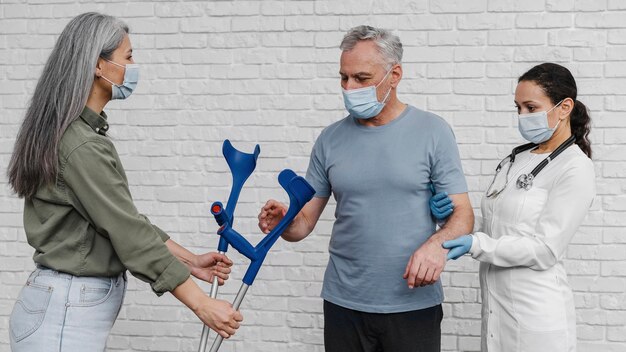
Back, neck, and joint pain are among the most common reasons people consider surgery. However, in many cases, effective non-surgical treatments can provide long-term relief without the risks and recovery time associated with surgical procedures.
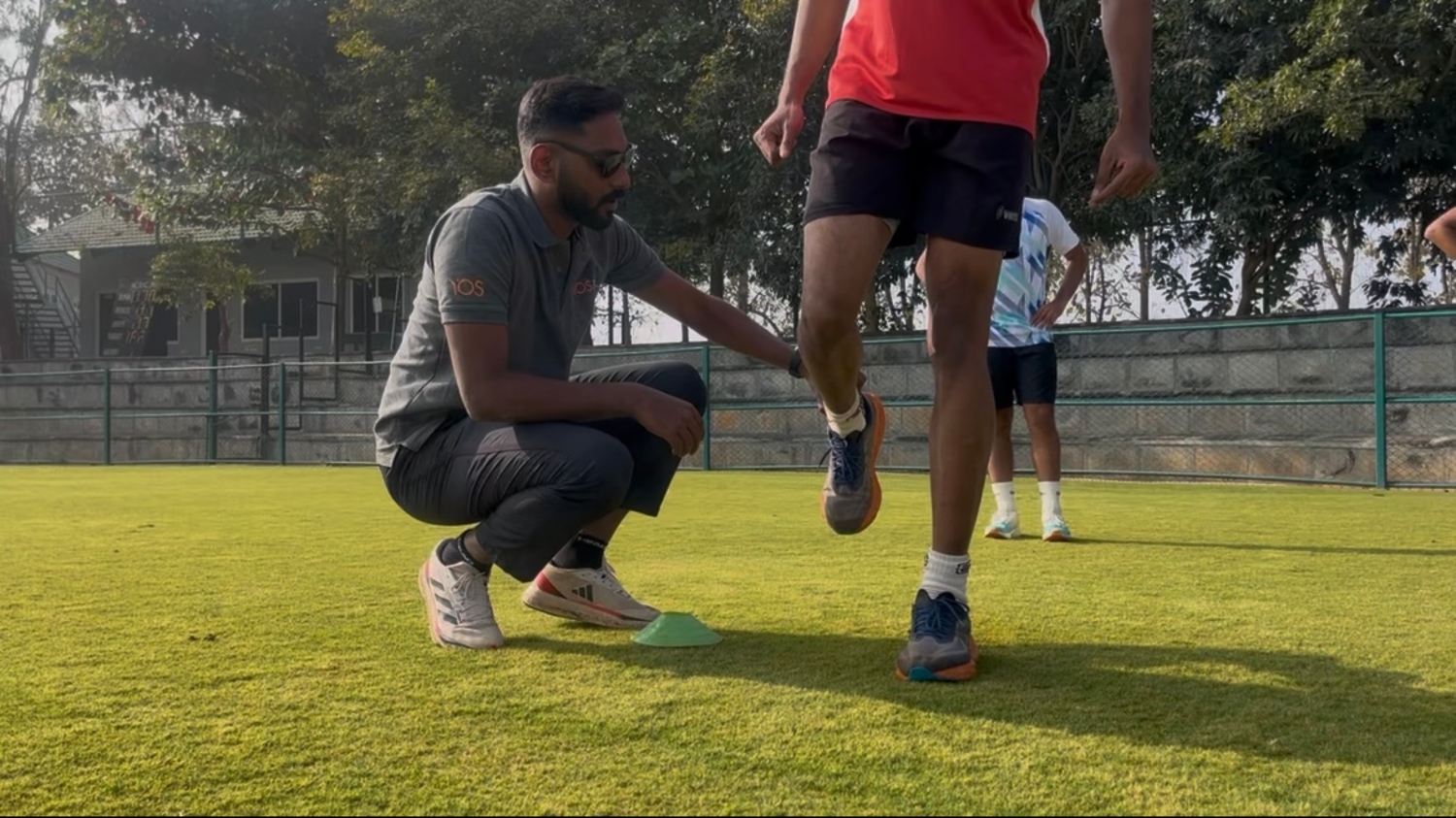
Pain is not limited to injuries — it often develops due to movement dysfunction, overuse, or poor biomechanics. Sports physiotherapy plays a crucial role in managing pain by addressing these underlying causes rather than just masking symptoms.