
How Long Does ACL Recovery Really Take? A Physiotherapist Explains
Realistic ACL recovery timelines and the physiotherapy milestones you’ll pass on the road back to sport and daily life.
ACL recovery varies widely depending on whether surgery is performed, the graft choice, patient factors and the quality of rehabilitation. Below, we break down typical timelines, what physiotherapy focuses on at each stage, and how to measure progress.
Overview: Key phases of ACL recovery
- Immediate (0–2 weeks): Control swelling, regain pain-free range of motion, start basic muscle activation.
- Early rehab (2–12 weeks): Progressive strength, walking, closed-chain exercises, early balance training.
- Strength & control (3–6 months): Build power, single-leg strength, agility drills as tolerated.
- Return-to-sport training (6–9+ months): Sport-specific drills, progressive plyometrics, objective readiness testing.
How physiotherapy helps at each stage
0–2 weeks
Focus on pain and swelling control, gentle range-of-motion exercises, and isometric quadriceps and hamstring activation. Early physiotherapy reduces stiffness and improves early outcomes.
2–12 weeks
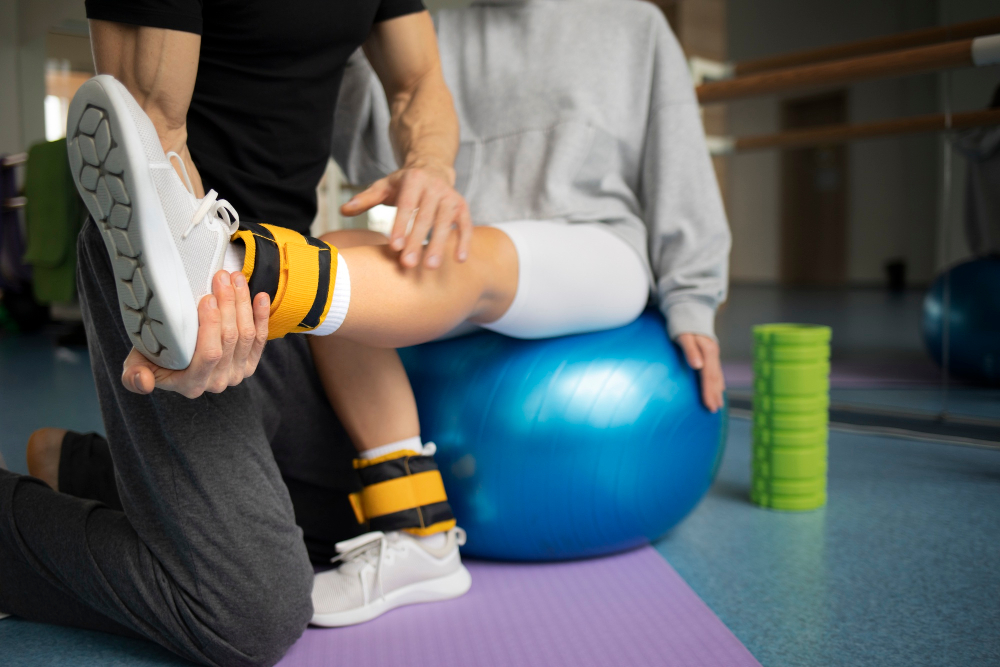
Introduce progressive resistance exercises, closed-chain functional work (squats, step-ups), early neuromuscular training and proprioception. Weight-bearing is advanced as tolerated.
3–6 months
Focus on strength symmetry (aim for ≥90% limb symmetry index for key tests), power, controlled change-of-direction drills and higher-load conditioning. Objective testing becomes important at this stage.
6–9+ months
Sport-specific plyometric training, progressive return-to-sport drills, and functional testing (hop tests, strength tests, movement quality). Many athletes complete return-to-sport between 6–12 months depending on graft and progress.
Common timelines (typical ranges)
- Daily activities: 2–6 weeks (varies by procedure & pain control).
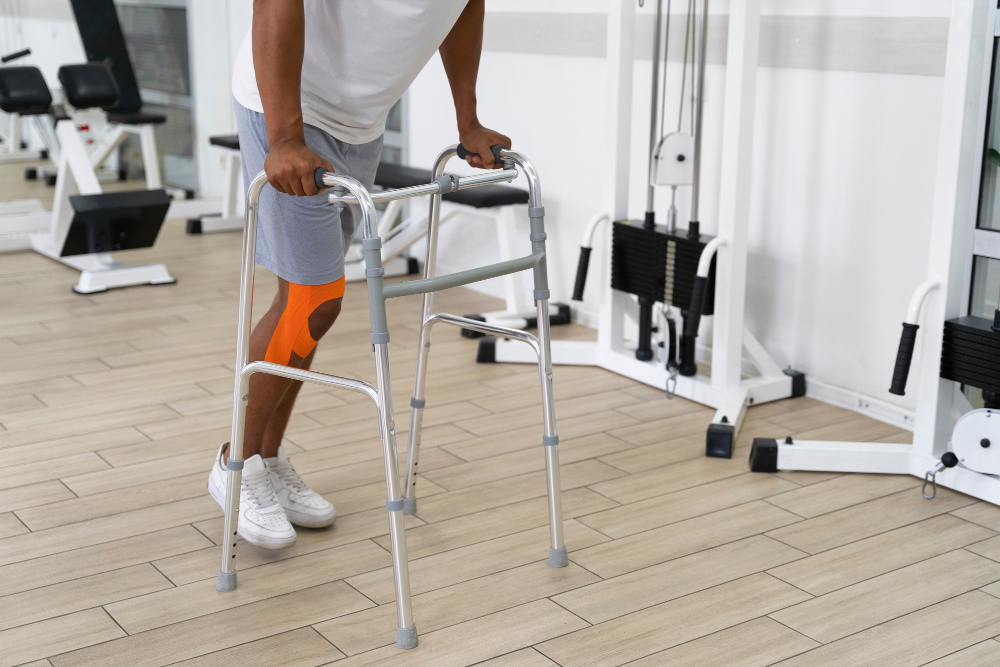
- Walking without aids: 2–6 weeks.
- Return to non-pivoting sport / light jogging: 3–4 months.
- Return to pivoting sports (football, basketball): typically 6–12 months — guided by objective testing.
Objective milestones we use to decide readiness
- Quadriceps & hamstring strength ≥90% compared to the uninjured limb (isokinetic or handheld dynamometry).
- Single-leg hop test symmetry ≥90% across multiple hop tests.
- Quality of movement under fatigue — clean, controlled landings without valgus collapse.
- Psychological readiness — confidence and lack of fear/avoidance during sport-specific tasks.
Factors that slow recovery
- Poor pre-op conditioning or prolonged pre-op immobilisation
- Associated meniscal or cartilage damage requiring additional protection
- Low adherence to rehab programme
- Complications such as infection or stiffness
How YOS measures progress
We use a combination of objective strength testing, hop testing, movement screens, and clinical assessment. Our therapists set clear, measurable goals for each phase so recovery decisions are data-driven rather than calendar-driven.
Want an evidence-based ACL rehab plan?
Book a structured physiotherapy assessment at YOS — we’ll map your timeline and milestones together.
Book AppointmentQuick FAQ
Is 6 months enough to return to sport?
Some athletes return at 6 months, but many high-demand pivoting sport athletes take 9–12 months. Objective tests and sport-specific drills should guide the decision.
Can I speed up recovery?
Quality & consistency of rehab matter more than rushing. Supervised progressive loading, neuromuscular training, and good nutrition/sleep improve recovery speed and reduce reinjury risk.
Final thoughts
ACL recovery is individual. Use timelines as a guide, but let objective tests, clinician assessment, and your goals determine readiness to progress. A physiotherapist-led programme significantly improves outcomes and reduces long-term risk.