
Top 10 Exercises for ACL Rehabilitation (Safe for Beginners)
Simple, clinician-approved exercises to help rebuild strength, balance and confidence after ACL injury. Always perform under guidance initially.
These exercises are chosen for beginners after ACL injury or surgery — they prioritise safe loading, restoring range, and building stability. Begin only when your clinician approves and progress slowly as pain, swelling and strength allow.
How to use this list
Start with low reps (8–12) and 1–2 sets, 3–4 times/week. Progress sets/reps/resistance gradually. If swelling or pain increases, reduce load and consult your physiotherapist.
Top 10 beginner-safe ACL exercises
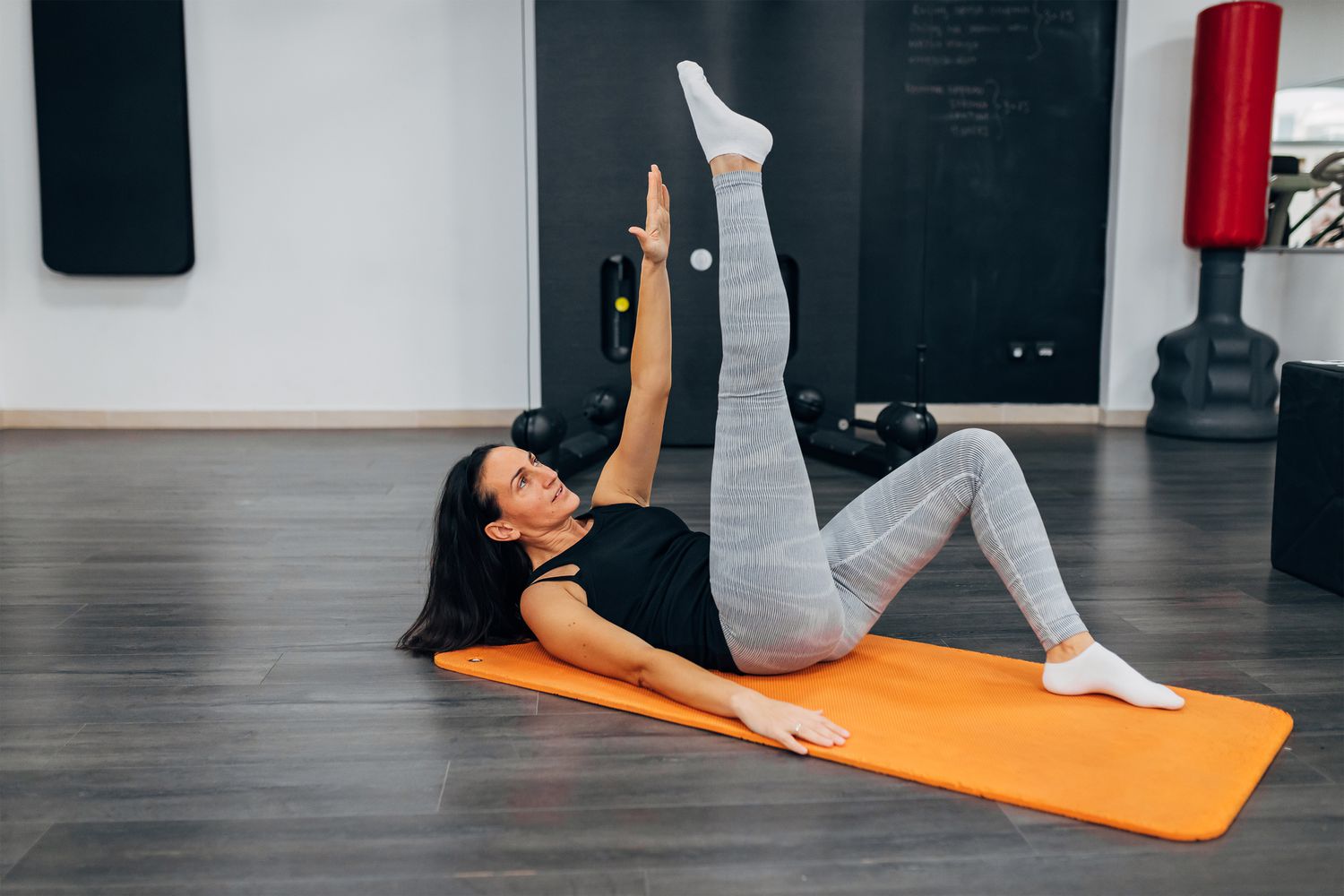
1. Quadriceps (Quad) Sets
Isometric contraction of the quads while lying supine. Hold 5–10s, repeat 8–12 times. Good early activation with minimal movement.
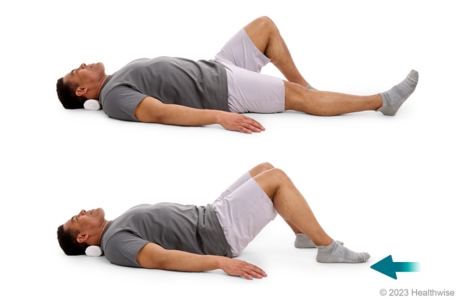
2. Heel Slides
Slide heel towards buttocks while lying, improving knee flexion gently. Perform 10–15 slow repetitions to regain range of motion.
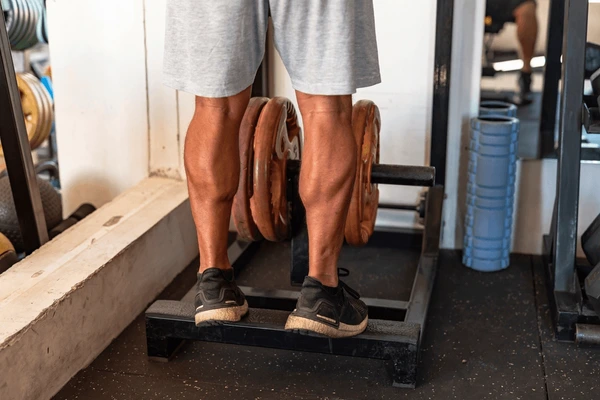
3. Seated/Standing Calf Raises
Start seated then progress to standing as tolerated — aids balance and calf strength important for gait and push-off.
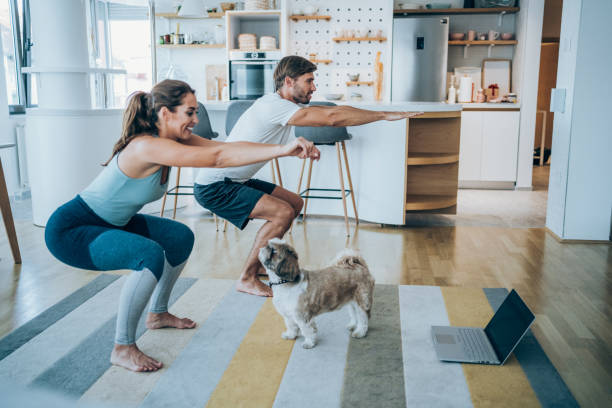
4. Mini Squats (Closed-Chain)
Shallow squats to 30–45° knee flexion focusing on technique and knee alignment. Builds functional quad and hip strength safely.
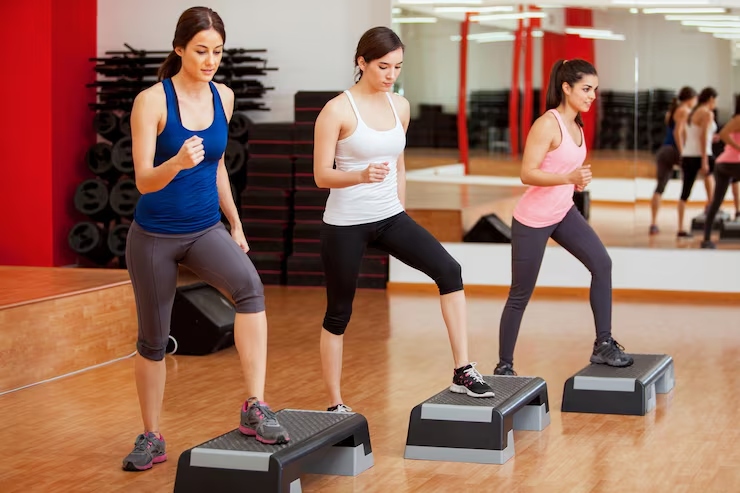
5. Step-Ups (Low Step)
Controlled step-ups onto a low platform. Emphasise controlled knee alignment and use hands for support if needed during early rehab.
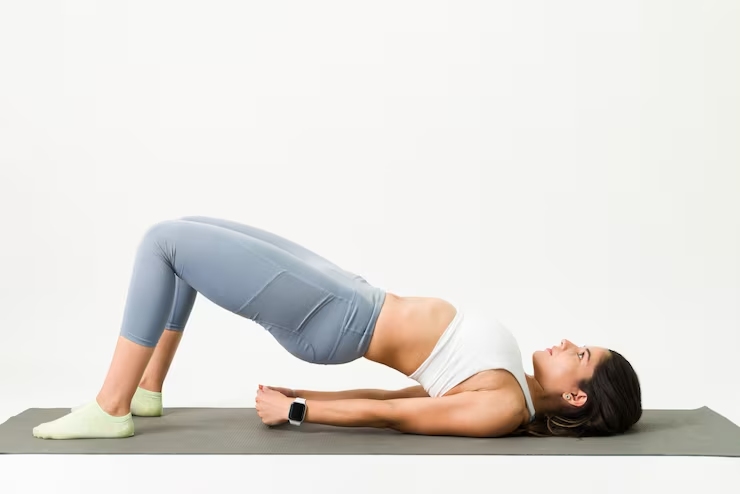
6. Glute Bridges
Activates glutes and posterior chain to support knee stability. Hold top position 2–3s, repeat 10–15 reps. Progress with single-leg bridge later.
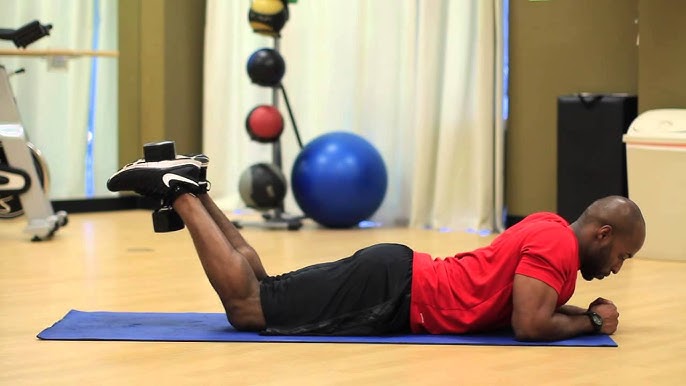
7. Hamstring Curls (Prone or Standing)
Light-resistance hamstring work to balance quad strength. Use minimal resistance initially and avoid sudden hip flexion movements.
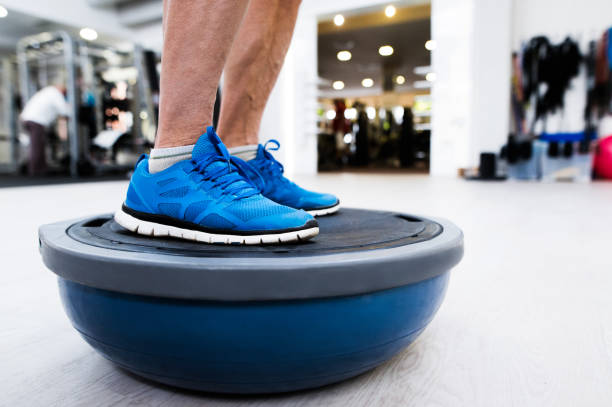
8. Single-Leg Balance (Eyes Open → Closed)
Start standing near support, practice single-leg balance. Progress to foam surface and eyes-closed for proprioception improvements.
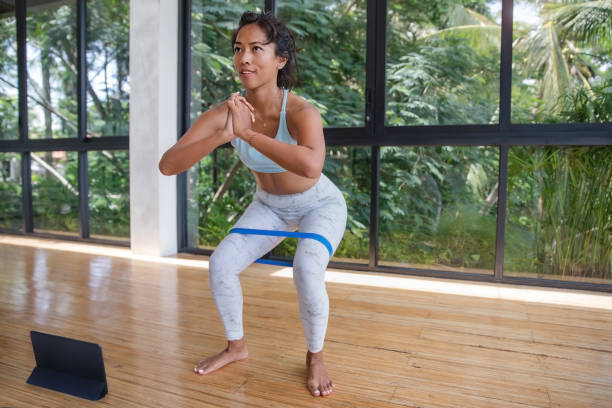
9. Lateral Band Walks
Light resistance band around knees or ankles; step side-to-side to strengthen hip abductors which reduce knee valgus and protect ACL.
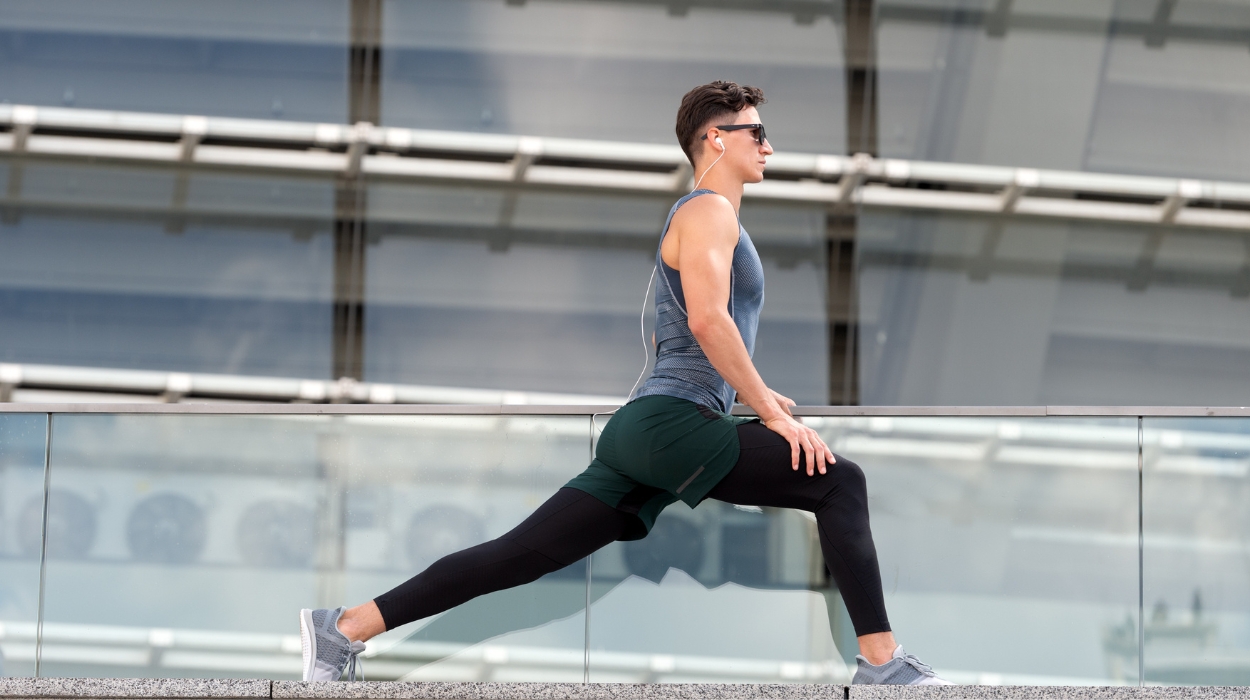
10. Controlled Forward/Reverse Lunges
Begin with shallow, assisted lunges focusing on alignment. Progress depth and load only when strength and control are adequate.
Safety tips & progression
- Work closely with a physiotherapist — these exercises need tailoring to your stage of rehab.
- Stop or reduce load if swelling or sharp pain increases.
- Progress from bilateral to unilateral exercises, increase sets/reps, then resistance, then speed.
- Monitor symmetry — aim for near-equal strength and function compared to the uninjured side before intense sport drills.
Need a tailored ACL exercise plan?
Book a physiotherapy assessment at YOS — we’ll prescribe safe progressions and supervise your rehab.
Book AppointmentQuick FAQ
How often should I perform these exercises?
Generally 3–4 sessions per week for strength work and daily short activation exercises early on — follow your therapist’s plan.
When can I try single-leg sports drills?
Only after meeting objective strength and hop test criteria, usually several months into rehab — based on individual progress.